Anatomy of a Vape Listing: Reading Product Pages Like a Buyer Who Notices
Anatomy of a Vape Listing: Reading Product Pages Like a Buyer Who Notices
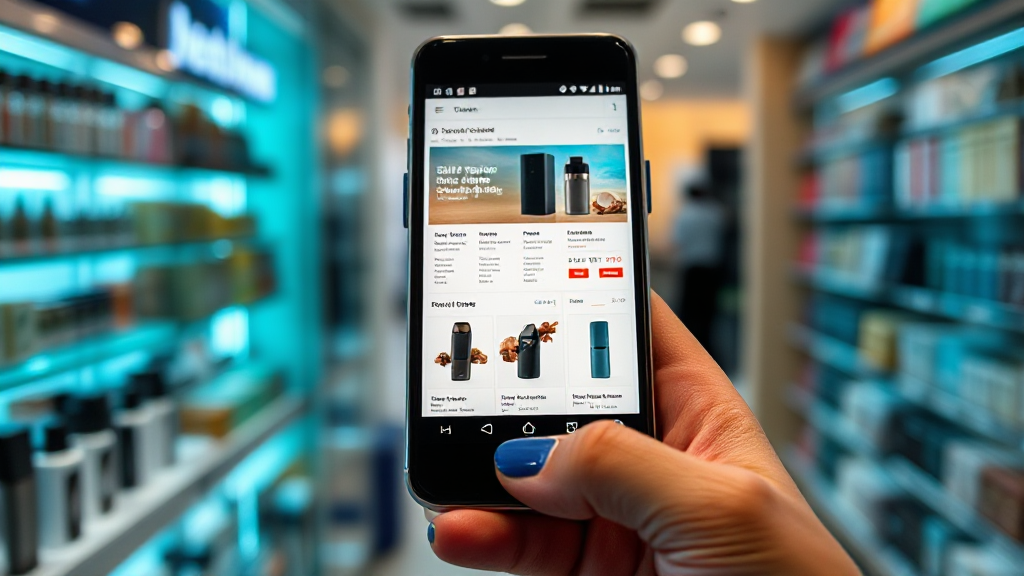
Every product page is a specimen, and like any specimen it has parts. Take a single listing for a disposable device on a Singapore retailer’s site: at the top sits the naming plate — the product title, the puff count, the flavour. Beneath it, the visual membrane — product photography that either shows the actual device or hides behind stock art. Then the specimen label — the specification block listing battery capacity, e-liquid volume, and nicotine strength. Further down, the trust appendages: delivery promises, authenticity claims, packaging notes, and contact channels. A careful buyer reads all of these before committing, because in a market where stock moves fast and counterfeits circulate, the listing page is often the only evidence available. That is especially true when shopping for something like lana vape sg, where the difference between a smooth purchase and a frustrating one usually shows up in the fine print long before the parcel arrives.
The Naming Plate: What the Title Actually Tells You
The product title is the first organ of any listing, and it carries more information than most shoppers realise. A well-built title names the device, the model, and the defining number — for example, a puff count that distinguishes one variant from another in the same family. When a listing says “Elf Bar S1 15000” or “Elf Bar Ice King Pro 45k”, those numbers are not decoration. They signal capacity, expected lifespan, and which generation of hardware you are buying.
A vague title is a warning sign. If the page calls something simply “disposable vape” with no model name, no puff count, and no flavour specification, the buyer cannot verify what will arrive. Careful readers treat the title as a contract: every claim in it should be repeated somewhere else on the page — in the specifications, in the description, or in the images. When the title and the body disagree, the body usually loses.
Flavour naming deserves its own scrutiny. Two listings can carry the same device name and still differ entirely in what the pod tastes like. A precise listing names the flavour profile clearly and consistently across the title, the variant selector, and the image alt text. That consistency is a small thing, but it is one of the cheapest trust signals a retailer can offer.
The Visual Membrane and the Specimen Label
Product photography is the listing’s outer layer — the part that either invites a closer look or raises immediate doubt. A trustworthy page shows the device itself: the shape, the mouthpiece, the colourway, the branding on the body. Recycled manufacturer renders are acceptable when they are accurate, but a photo that clearly belongs to a different product is a defect in the specimen.
Equally important is what surrounds the product image. A listing that shows discreet packaging alongside the device is telling you something about how the order will arrive. For buyers in Singapore, where deliveries are often received at home or at a workplace, packaging discretion is not a minor detail — it is part of the product experience. A page that addresses this openly, rather than leaving it to the buyer’s imagination, has already answered a question most shoppers only think to ask after ordering.
The specification block is where the listing becomes genuinely useful. Battery capacity, e-liquid volume, nicotine strength, charging method, and coil type all belong here. When a page lists these clearly, the buyer can compare two devices without opening a search engine in another tab. When the block is empty or filled with marketing adjectives instead of numbers, the buyer is left guessing — and guessing is expensive when a device does not match expectations.
Authenticity claims also live in this region of the page. A retailer that stocks genuine devices will usually say so plainly and explain how it sources them. Local stock matters here too: a listing that confirms the item is held in Singapore tells the buyer that the wait will be measured in hours, not weeks. That distinction is central to how Singapore lana vape listings present themselves, because local inventory changes the entire delivery equation.
Delivery Promises and the Anatomy of Trust
Below the specifications, most listings grow a set of trust appendages: delivery windows, payment options, contact details, and policy notes. These are the parts a hurried buyer skips and a careful buyer reads twice.
A delivery promise is only meaningful when it is specific. “Fast shipping” means nothing. “Same-day delivery within Singapore for orders placed before a stated cut-off” means something you can hold the retailer to. The best listings name the cut-off time, describe the courier process, and explain what happens if an order is placed after hours. They also state whether the delivery is tracked and whether the parcel requires a signature.
This is where a page earns its credibility. A retailer offering Lana vape same day delivery is making a claim that can be tested the same afternoon. That kind of claim forces operational honesty: either the stock is local and the courier is ready, or the promise collapses on the first order. Listings that make this promise confidently, and back it with clear ordering steps, tend to be the ones that survive repeat business.
Contact information belongs in the same region. A phone number, a messaging channel, or a responsive contact form tells the buyer that a human is reachable if something goes wrong. Pages that hide all contact details behind a generic form are technically compliant but practically unhelpful, and experienced buyers notice the difference immediately.
Policy notes round out the anatomy. Age verification requirements, return conditions, and order confirmation processes are not glamorous, but their presence signals that the retailer has thought about the transaction end to end rather than just the sale.
Reading the Whole Specimen Before You Commit
No single element of a listing proves reliability on its own. The title can be accurate while the images are wrong; the specifications can be detailed while the delivery promise is vague. The skill is in reading the parts together, the way a biologist reads an organism: does the naming plate match the specimen label, does the visual membrane match the title, do the trust appendages support the claims made at the top?
When the parts align, the listing feels coherent. The device name appears in the title, the image, and the specification block. The flavour is consistent across every mention. The delivery window is specific and tied to local stock. The packaging is described honestly. The contact channels are real. That coherence is what separates a page built for a quick sale from a page built for a returning customer.
For buyers in Singapore, this reading habit pays off quickly. The market moves fast, stock rotates, and the difference between a good and bad purchase often comes down to details that were visible all along on the product page. A listing that offers Singapore vape delivery with clear timing, genuine local inventory, and packaging that respects privacy is doing more than selling a device — it is documenting its own reliability in advance.
The same logic applies whether you are browsing a single product or comparing several. Read the title, check the images, verify the specifications, and test the delivery claims against the wording. A page that survives that scrutiny is a page worth ordering from. A page that does not is doing you a favour by revealing itself early.
In the end, the anatomy of a listing is really the anatomy of a promise. Every part — the name, the photo, the numbers, the delivery window, the packaging note — is a small commitment the retailer makes before any money changes hands. Buyers who learn to read those commitments carefully, whether they are looking at Vape delivery sg options or comparing individual devices, tend to get exactly what the page described. And when a retailer consistently delivers on that description, the listing stops being a sales page and starts being a record of trust — one that a careful buyer can rely on the next time they need an Sg vape shop delivery that arrives when it said it would.