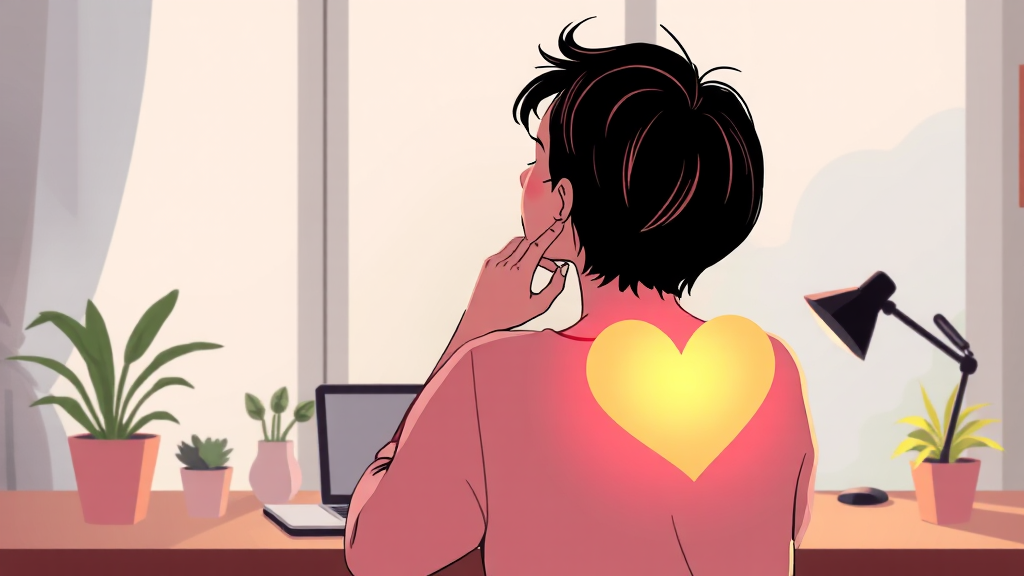
Crush On: What It Means, Why It Happens, and How to Handle It Well
Crush On: What It Means, Why It Happens, and How to Handle It Well
Having a crush on someone is one of the most universal human experiences, yet it can feel completely unique and overwhelming when it happens to you. That sudden rush of excitement when a certain person walks into the room, the way your thoughts keep drifting back to them, the nervous flutter before you speak — a crush is a powerful blend of emotion, biology, and imagination. Whether you are a teenager experiencing your first serious infatuation or an adult surprised by feelings you thought you had outgrown, understanding what a crush really is can help you enjoy it, learn from it, and navigate it wisely.
In this article, we will explore the psychology and science behind crushes, the different forms they can take, how they affect your behavior and well-being, and practical ways to handle them — whether you want to pursue the feeling or gently let it go.
What Exactly Is a Crush?
A crush is an intense but often temporary romantic or physical attraction to someone who may or may not know how you feel. Unlike a committed relationship, a crush usually exists mostly in your own mind. It is built on a mix of real observations, imagined possibilities, and emotional projection. You might know only a few facts about the person — how they laugh, what they do for work, the way they treat strangers — and your brain fills in the rest with an idealized picture.
This is why crushes can feel so consuming. You are not just reacting to the actual person; you are reacting to the version of them that lives in your imagination. That imaginary version is often kind, funny, attentive, and perfectly matched to your needs. When reality and fantasy overlap, the feelings intensify. When they diverge, the crush can fade just as quickly as it appeared.
The Science Behind the Butterflies
Crushes are not just poetic — they are chemical. When you are attracted to someone, your brain releases a cocktail of neurotransmitters and hormones. Dopamine, the reward chemical, surges and creates that giddy, motivated feeling. Norepinephrine increases alertness and can make your heart race and your palms sweat. Phenylethylamine, sometimes called the “love molecule,” contributes to the euphoric high.
At the same time, cortisol levels can rise, which explains the anxiety and nervousness that often accompany a crush. Your body is essentially in a state of pleasurable stress. This combination is designed to push you toward connection, but it can also cloud your judgment. Understanding that your feelings have a biological basis does not make them less real, but it can help you step back and think clearly when you need to.
Common Types of Crushes
Not all crushes are the same. Recognizing which type you are experiencing can clarify what you actually want and how to proceed.
The Celebrity or Distant Crush
This is an attraction to someone you will likely never meet — an actor, musician, athlete, or online personality. These crushes are usually safe because they require no risk. They can be fun and even inspire you, but they can also become unhealthy if they replace real relationships.
The Proximity Crush
This happens when you spend a lot of time near someone — a coworker, classmate, or neighbor. Frequent contact creates familiarity, and familiarity can breed attraction. Proximity crushes are common and can be wonderful, but they also carry practical risks if the feelings are not mutual, especially in professional settings.
The Friendship Crush
Sometimes a platonic friend gradually becomes something more. These crushes are complicated because you already care about the person deeply and you fear losing the friendship. They can also be the foundation of the strongest romantic relationships.
The Rebound or Distraction Crush
After a breakup or a difficult period, it is common to develop a crush on someone new as a way to feel better. These crushes are often more about escaping pain than about genuine connection, and they tend to fade once the underlying emotions are processed.
How a Crush Affects Your Mind and Behavior
Crushes change the way you think and act in subtle but significant ways. You might find yourself checking your phone more often, replaying conversations in your head, or going out of your way to be in the same place as the other person. Your mood can rise and fall based on small interactions — a smile, a short reply, a missed message.
This emotional rollercoaster is normal, but it can become draining if left unchecked. Some people lose sleep, lose focus at work or school, or neglect friendships. Others become more creative, more motivated, and more confident because they want to impress the person they admire. The key is to notice which direction your crush is pushing you and to steer it intentionally.
When a Crush Becomes Something More
A crush can be the beginning of a beautiful relationship. If the feelings are mutual and both people are available, honest, and respectful, a crush can blossom into love. The transition from fantasy to reality requires communication. You have to risk vulnerability and find out whether the person you admire feels the same way.
That risk is scary, but it is also what makes real connection possible. If you never express your feelings, you may stay stuck in an endless loop of hope and uncertainty. If you do express them, you gain clarity — either a new relationship or the freedom to move on.
How to Handle a Crush Wisely
Whether you want to pursue your crush or release it, a few practical strategies can help you stay grounded.
1. Be Honest With Yourself
Ask yourself what you really want. Do you want a relationship with this person, or do you enjoy the feeling of being infatuated? There is no wrong answer, but knowing your own motivation prevents you from making decisions you might regret.
2. Respect Boundaries
If the other person is in a relationship, is your boss, or has clearly shown disinterest, respect those boundaries. Pursuing someone who is unavailable or unwilling can cause pain for everyone involved.
3. Keep Your Life Balanced
Do not let a crush consume your entire world. Maintain your friendships, hobbies, goals, and routines. A healthy crush adds to your life; it does not replace it.
4. Communicate Clearly
If you decide to tell the person how you feel, do it calmly and directly. Avoid dramatic declarations or pressure. Give them space to respond honestly.
5. Give Yourself Time to Heal
If the crush is not reciprocated, allow yourself to feel disappointed. Then gently shift your focus. Time, distance, and new experiences are the most reliable cures for a broken heart.
The Role of Technology in Modern Crushes
In the digital age, crushes often develop online. Social media lets you follow someone’s daily life, and messaging apps make constant contact possible. This can intensify feelings quickly, sometimes before you have even met in person. Online crushes can be exciting, but they also come with risks — catfishing, miscommunication, and emotional dependence on someone you barely know.
If you are exploring romantic feelings in a digital space, it helps to stay mindful. Look for consistency between what someone says and what they do. Take things slowly. And remember that a profile is not a person; real connection requires real interaction.
Why Crushes Are Actually Good for You
Even when a crush does not lead to a relationship, it can be valuable. Crushes teach you about your own desires, your attachment style, and what you value in a partner. They can boost your confidence, inspire self-improvement, and remind you that you are capable of deep feeling. In many ways, a crush is a rehearsal for love — a chance to practice vulnerability, communication, and emotional regulation.
So if you are currently nursing a crush, do not be ashamed of it. Enjoy the butterflies, learn from the experience, and treat both yourself and the other person with kindness.
FAQ: Common Questions About Crushes
How long does a crush usually last?
There is no fixed timeline, but many crushes fade within a few weeks to a few months. Some last longer if the people see each other regularly or if the feelings are not addressed. A crush that persists for years is often a sign that it has become a fantasy rather than a real connection.
Can a crush turn into real love?
Yes, absolutely. Many lasting relationships begin as crushes. The key is moving from imagination to reality — getting to know the person as they truly are and building mutual trust and respect.
Should I tell my crush how I feel?
It depends on your situation. If the person is available and you can handle rejection gracefully, telling them can bring clarity and possibly a relationship. If they are unavailable or the setting is inappropriate, it may be wiser to keep your feelings private and focus on moving on.
Is it normal to have a crush while in a relationship?
It is common to feel attracted to other people even when you are committed to someone. What matters is how you handle it. A fleeting crush is normal; acting on it in a way that betrays your partner’s trust is not. Use the feeling as a signal to invest more in your existing relationship.
How do I get over a crush that is not reciprocated?
Give yourself permission to feel sad, then create distance. Reduce contact, stop checking their social media, and pour energy into your own goals and friendships. Over time, the intensity will fade, and you will be ready for a connection that is mutual.